
Their diverse expertise ensures our resources and product are innovative, evidence-based, and effective. They guide our mission as accomplished individuals dedicated to improving the landscape of addiction recovery and mental wellness. Once you make it through the early days of sobriety from your alcohol dependence, it might be time for you to consider what your life will look like if you quit drinking. Chances are there are plenty of changes you need to make in your life to stay sober. Of course, we can also make you more comfortable with less severe withdrawal symptoms.
- There are several reasons why someone denies or hides the severity of their alcohol use.
- It is marked by a compulsive need to drink, regardless of the negative consequences it may have on their health, relationships, or work.
- It might appear harmless at first, but it’s at this stage where the foundation of an unhealthy relationship with alcohol might start.
- Because this stage does not involve physical dependence, rehabilitation may not be necessary.
Potential Risks of Mixing Keppra and Alcohol
- The middle stage of alcoholism is characterized by a loss of control over drinking.
- If you or someone you know is experiencing these signs, it is crucial to reach out for help and support.
- Also known as Wernicke-Korsakoff syndrome, some heavy drinkers will go on to develop dementia as a result of long-term heavy drinking.
- We aim to raise awareness, offer guidance, and connect people with recovery programs to help them regain control and improve their lives.
People in end-stage alcoholism may also display dramatic changes in behavior, strained personal relationships, and an inability to maintain employment or daily responsibilities. After ongoing heavy use, the body may develop a physical dependence in middle-stage alcoholism, where they’ll experience withdrawal symptoms if they stop drinking. Moreover, chronic alcohol use can worsen existing mental health conditions. If you already suffer from anxiety, depression, or other psychological disorders, alcohol abuse will likely exacerbate these issues, making them more challenging to manage. Alcoholism involves both physical and mental dependency, where an individual experiences intense cravings, a build-up of tolerance, and withdrawal symptoms when not https://www.toastmasters.pk/sober-living/yes-glp-1-medications-really-do-reduce-alcohol/ drinking. This severe form of alcohol dependence significantly impairs daily functioning and can lead to serious health complications.
Stage One: Early Stage Alcoholism
They may feel helpless in trying to support their loved one while struggling with their own emotional turmoil. By implementing these strategies and seeking ongoing support in recovery, individuals can reduce their risk of relapse and achieve long-term sobriety. It’s important to identify these situations and avoid them whenever possible. For example, if social events where alcohol is present are triggering for an individual in recovery, they may need alcohol rehab to avoid these events or bring a sober friend for support. Other visible health deteriorations include skin changes, such as spider angiomas (small, spider-like blood vessels) and a persistent red or flushed appearance. Hair may thin, and nails can become brittle, reflecting systemic nutrient deficiencies.

Dual Diagnosis Treatment: Holistic Recovery Solutions
As a person with a high tolerance continues to drink heavily, their body adapts to the presence of alcohol. A person with a dependence may go throughwithdrawal symptomswithout a certain level of alcohol in their body. When the normally high level of alcohol in a person’s body begins to drop, they may feel physically ill.
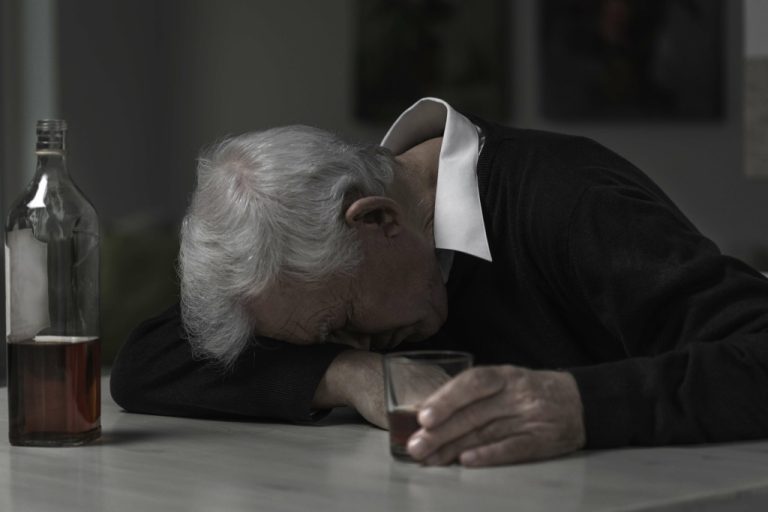
Who’s at risk of alcoholism?
You frequently isolate yourself and spend a lot of your time alone, drinking. Kayla holds over 6 years of experience in the rehab space, including in-house content management at a leading treatment center. She believes addiction and mental health issues are universal human experiences that can serve as important entry points onto a path toward self-realization and well-being. You exhibit a higher tolerance to alcohol, increased cravings, and the onset of more serious physical, emotional, and social consequences, including possible health issues. More serious symptoms can include hallucinations and seizures, so you may want to consider a medical detox program for your alcohol use disorder in the early stages of recovery. These severe alcohol withdrawal symptoms can start a few hours after your last drink if you are used to excessive consumption of alcohol.

- The three stages of alcoholism are often described as early, middle, and late drinking stages.
- Intensive Outpatient Programs (IOPs) provide structured therapy sessions and support, allowing individuals to continue their recovery journey while maintaining their daily responsibilities.
- They regard drinking in positive terms, and they may stop thinking about more important things.
- At True Self Recovery in Arkansas, we offer free insurance verification for our clients who feel they need some help.
- As alcoholism progresses, the cells in the body become more and more resistant to the short-term effects of alcohol.
As the condition advances to the ongoing stage, individuals may experience withdrawal symptoms such as tremors, headaches, and nausea, indicative of burgeoning physical dependence. This stage necessitates professional intervention to manage these symptoms safely and to develop healthier coping mechanisms. Without such intervention, the risk of progressing to the late stage of alcoholism escalates. Chronic heavy drinking has severe consequences on the body, including liver damage, high blood pressure, heart disease, and increased risk of certain cancers. These physical changes become more apparent in stages of alcoholism the late stages of alcoholism, with individuals experiencing frequent illnesses or unexplainable aches and pains.
